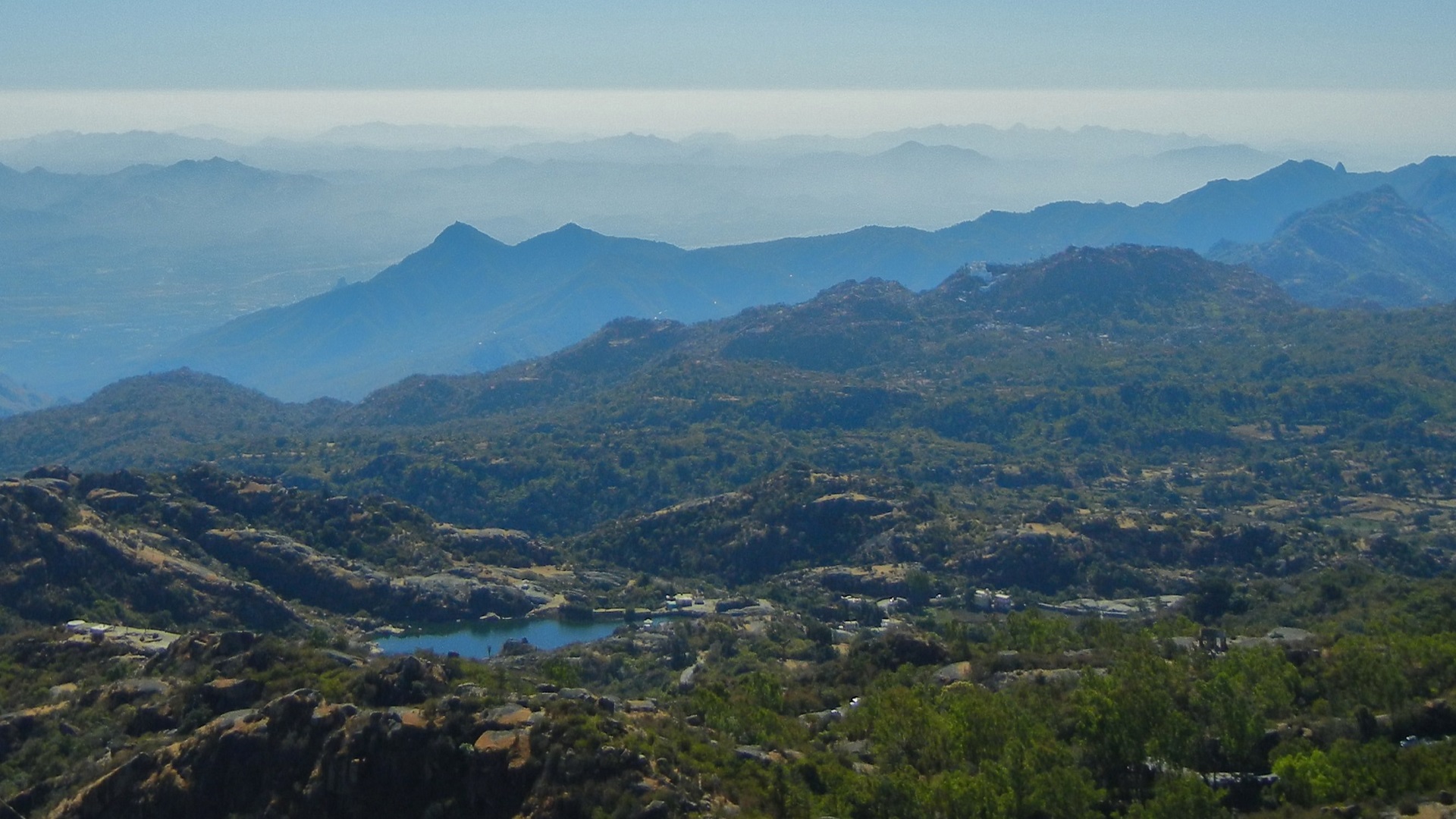
Discover
India's Oldest
Mountain Range
650 Million Years of Geological Wonder, Cultural Heritage, and Ecological Importance
650 Million Years of Geological Wonder, Cultural Heritage, and Ecological Importance
The Aravalli Range is one of the oldest fold mountains in the world, stretching approximately 692 km from Delhi to Gujarat. These ancient peaks were once as high as the Himalayas but have been worn down by erosion over millennia, creating a unique landscape that serves as India's ecological lifeline.
The Aravalli Range runs through four Indian states, forming a natural barrier between the Thar Desert to the west and the fertile Indo-Gangetic plains to the east. This strategic position makes it crucial for the region's climate, water security, and biodiversity.
Southern terminus near Ahmedabad
Largest coverage, includes Mt. Abu
Critical green belt for NCR
Northern ridge, urban lungs
From formation to present day - a journey through deep time
During the Pre-Cambrian era, massive tectonic forces folded the earth's crust, creating these ancient mountains that may have rivaled today's Himalayas.
Continuous weathering and erosion gradually wore down the once-towering peaks, creating the rolling hills and valleys we see today.
The Aravalli region was home to several Harappan settlements. Ancient peoples relied on the range's resources for agriculture and trade.
Rajput kingdoms built magnificent forts atop Aravalli peaks including Kumbhalgarh, Amber Fort, and Chittorgarh.
Post-independence development brings threats from mining, urbanization, and deforestation. Conservation movements emerge to protect this heritage.
The range acts as a natural divide between the Thar Desert to the northwest and the fertile plains to the southeast. This geographic position makes it crucial for regional climate and water security.
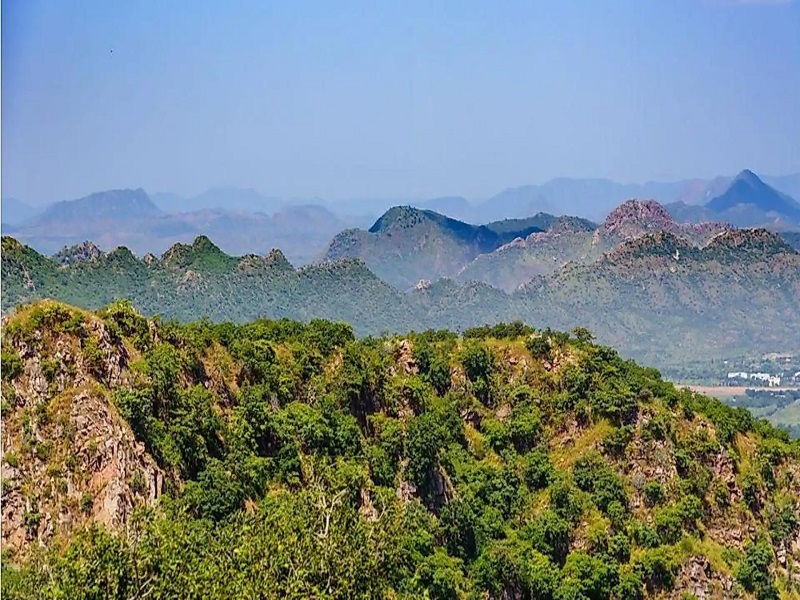
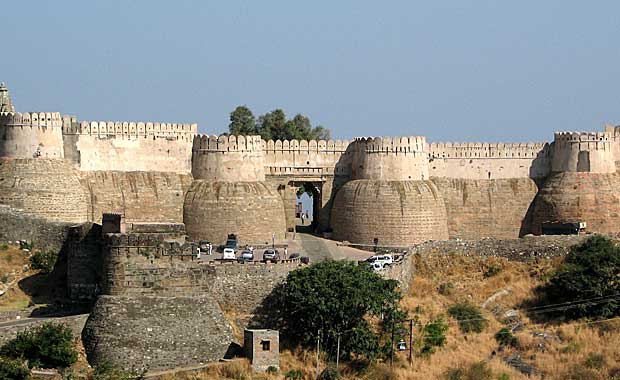
The Aravalli hills are dotted with magnificent forts built by Rajput kings. Kumbhalgarh, Amber Fort, and Chittorgarh stand as testaments to the region's rich history.
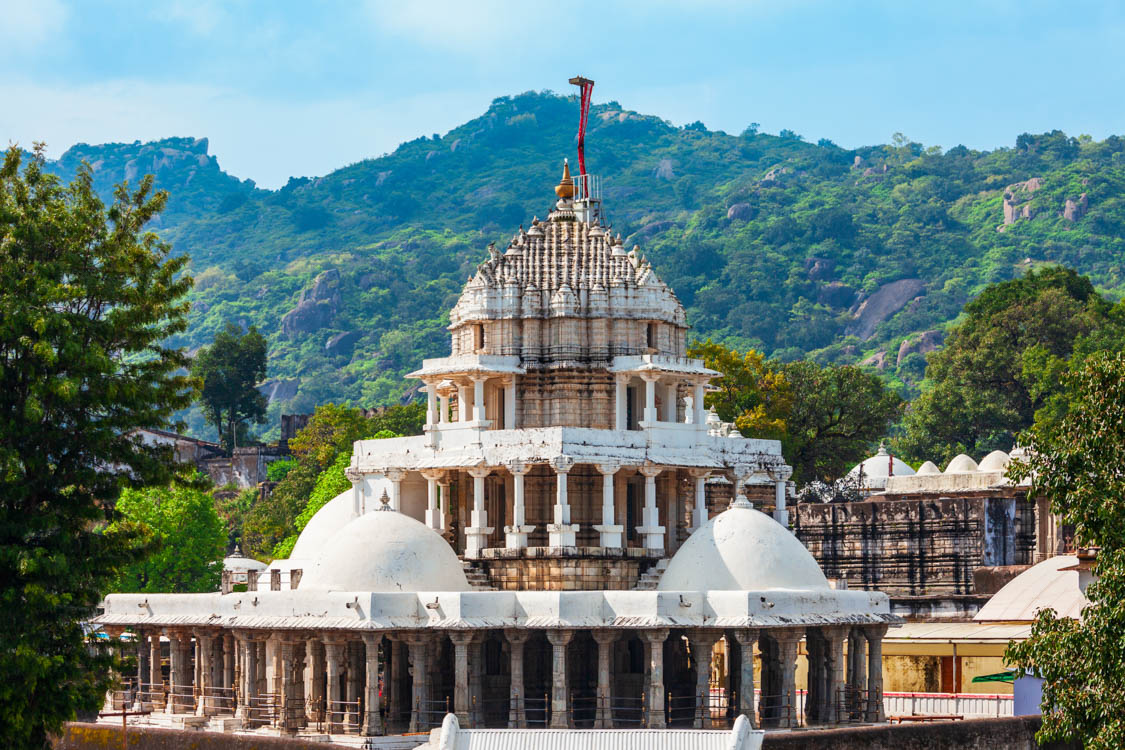
Mount Abu hosts the famous Dilwara Jain Temples, architectural marvels carved from marble. Many Hindu temples and sacred groves are scattered throughout the range.
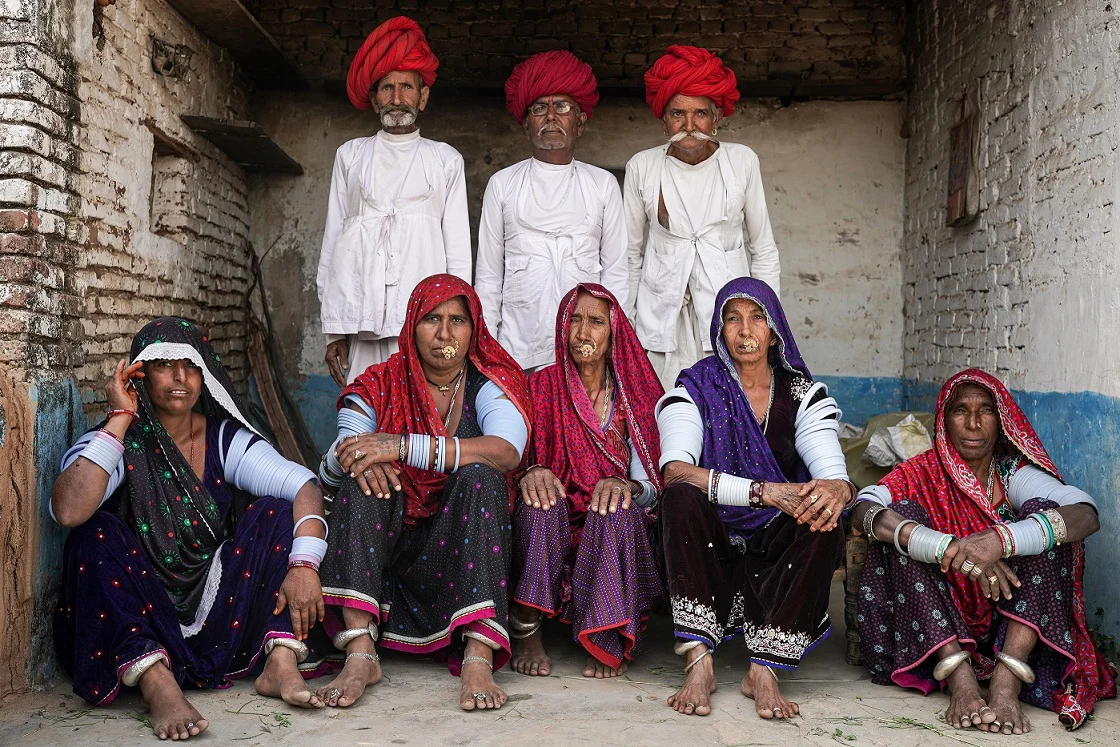
Tribal communities have lived in harmony with the Aravalli ecosystem for centuries, maintaining traditional knowledge of forest management.
Why the Aravalli Range matters for millions of people
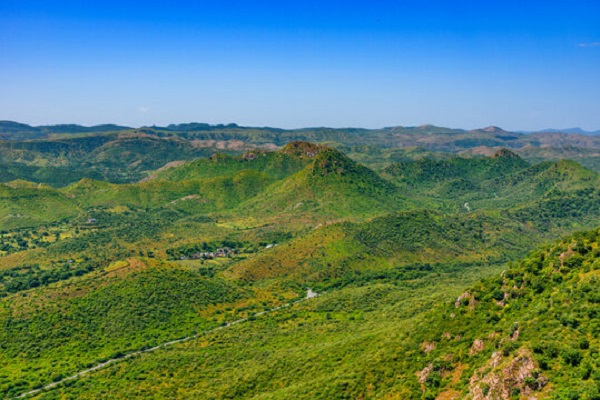
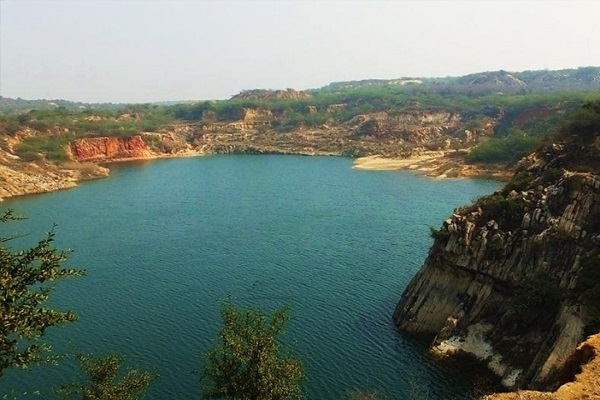
The highest points along the ancient Aravalli Range
The highest peak in the Aravalli Range, home to a temple dedicated to Guru Dattatreya. Offers panoramic views of the surrounding landscape.
Second highest peak, located near Mount Abu. Part of the Abu Hills cluster with rich biodiversity and ancient rock formations.
Famous for the exquisite Dilwara Jain Temples at its base, showcasing some of the finest marble carvings in India.
Site of the historic Achalgarh Fort built in the 14th century. Includes the famous Shiva temple with Nandi statue.
Home to the UNESCO-listed Kumbhalgarh Fort with the second longest continuous wall in the world after the Great Wall of China.
Known as the "Star Fort," built in 1354 CE. One of the oldest hill forts in India with strategic military importance.
The Aravallis were once as tall as the Himalayas! Over 650 million years of erosion has reduced them from an estimated 8,000+ meters to their current heights. Despite this, they remain critically important for the region's ecology.
A treasure trove of wildlife and plant species
Including leopard, nilgai, sambar
Including peacock, eagle, vulture
Including cobra, monitor lizard
Including medicinal plants
Apex predator, critically threatened
Largest Asian antelope
Found in forested areas
Endangered pack predator
Dominant tree species
State tree of Rajasthan
Medicinal importance
Native fruit tree
Protected areas within the Aravalli ecosystem
Home to Bengal tigers, leopards, and over 200 bird species. One of the first tiger reserves in India.
Famous for its tiger population and the historic Ranthambore Fort. UNESCO World Heritage Site.
Only hill station in Rajasthan with unique montane ecosystem. Home to sloth bear and leopard.
Surrounds the famous Kumbhalgarh Fort. Important wolf habitat with diverse wildlife.
Critical green lung for Delhi. Last remnant of Aravalli biodiversity in the NCR region.
Important habitat for sloth bears at the southern end of the Aravalli Range.
The Aravallis are the source and watershed of major river systems
Originates near Ajmer and flows through Rajasthan. Only significant river in western Rajasthan, vital for the arid region.
Major tributary of Chambal River. Originates from Kumbhalgarh hills and flows through central Rajasthan.
Flows through Haryana into Delhi, recharging the groundwater of the National Capital Region.
Originates in the Aravalli Range in Rajasthan and flows through Gujarat to the Arabian Sea.
The Aravalli hills act as a giant sponge, absorbing monsoon rainfall and slowly releasing it throughout the year. This recharge function is critical for Delhi-NCR's water supply.
Understanding the ancient rocks that form the Aravalli Range
The Aravallis are composed of some of Earth's oldest rocks, dating back 1.5 to 2.5 billion years. These metamorphic and igneous formations tell the story of ancient tectonic activity.
Dominant rock types include quartzite, phyllite, and mica schist. These metamorphosed sedimentary rocks give the hills their characteristic ridged appearance.
Rich deposits of marble, granite, sandstone, lead, zinc, copper, and mica. This mineral wealth has unfortunately made the region a target for mining operations.
The Aravalli Range is one of the oldest fold mountain systems in the world. Formed during the Proterozoic era, these mountains once rivaled today's Himalayas in height. The intense folding and faulting created the distinctive NE-SW trending ridges we see today. The Delhi Ridge, extending into the national capital, is the northernmost extension of this ancient range.
The Aravalli Hills have stood for 650 million years. Will they survive another century? Your action today can make the difference.
Take Action Now