Crisis Alert
Under Attack
650 Million Years of History. Disappearing in Our Lifetime.
650 Million Years of History. Disappearing in Our Lifetime.
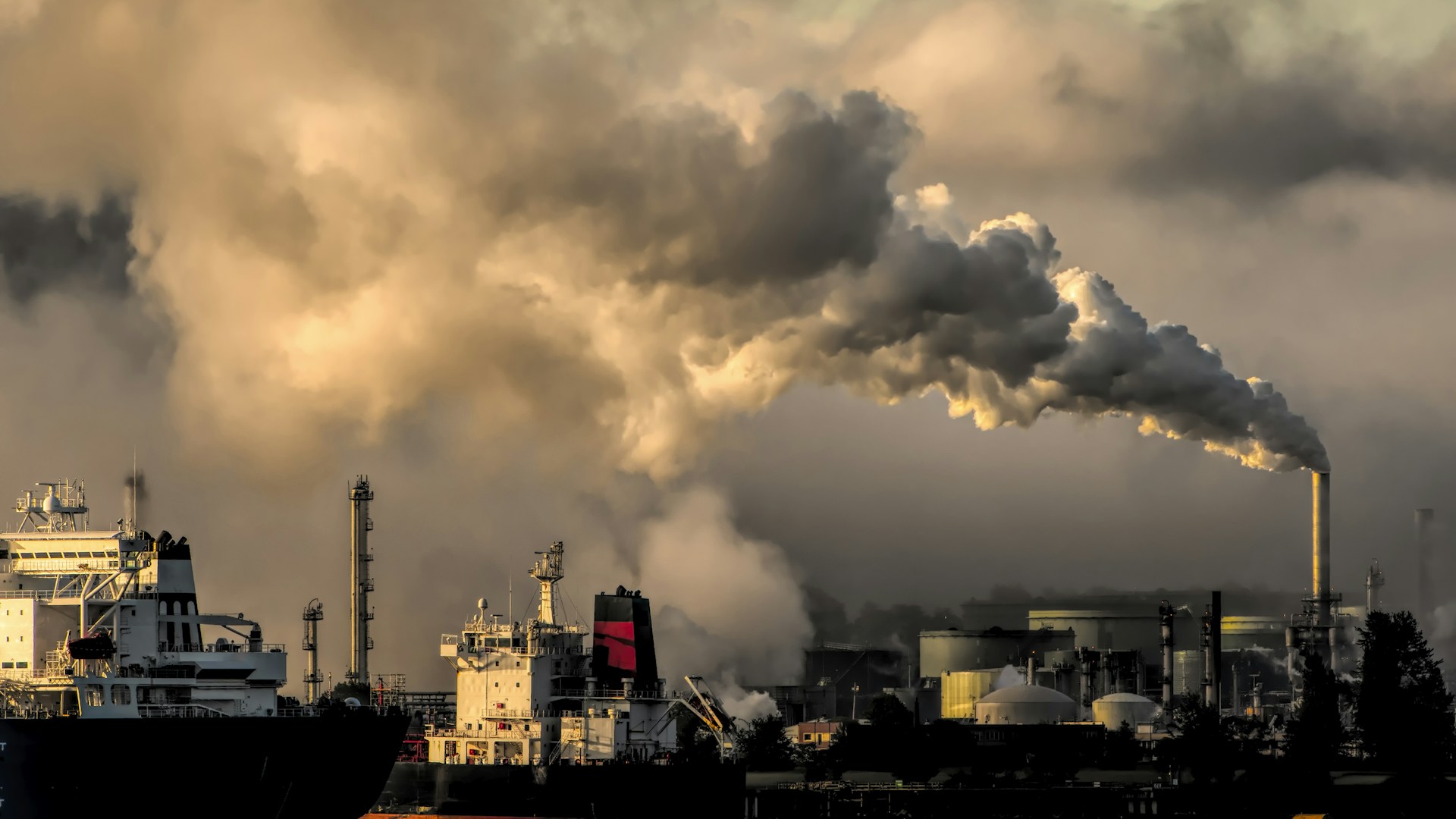
Despite legal protections and Supreme Court orders, the Aravalli Hills face unprecedented threats. Without immediate action, this irreplaceable ecosystem will be destroyed.
A dangerous new regulation states that only hills taller than 100 meters qualify as "Aravalli." But most of these ancient hills are naturally lower than this arbitrary threshold. This means nearly 90% of the Aravalli range could lose legal protection, opening the door to mining, real estate, and destruction.
The three biggest dangers facing the Aravalli Hills today
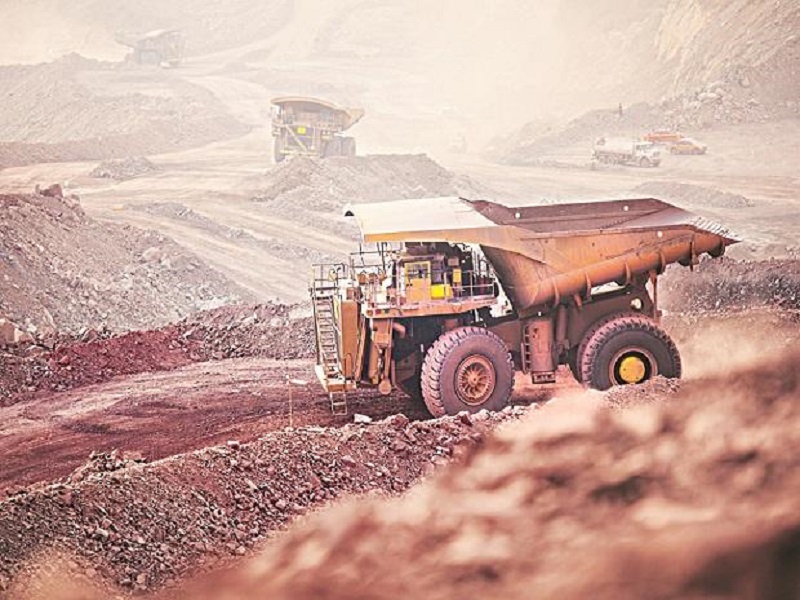
Mining for limestone, marble, and other minerals has created massive scars across the Aravalli landscape. Despite a 2002 Supreme Court ban on mining in Delhi's Aravalli zone, illegal operations continue with impunity.
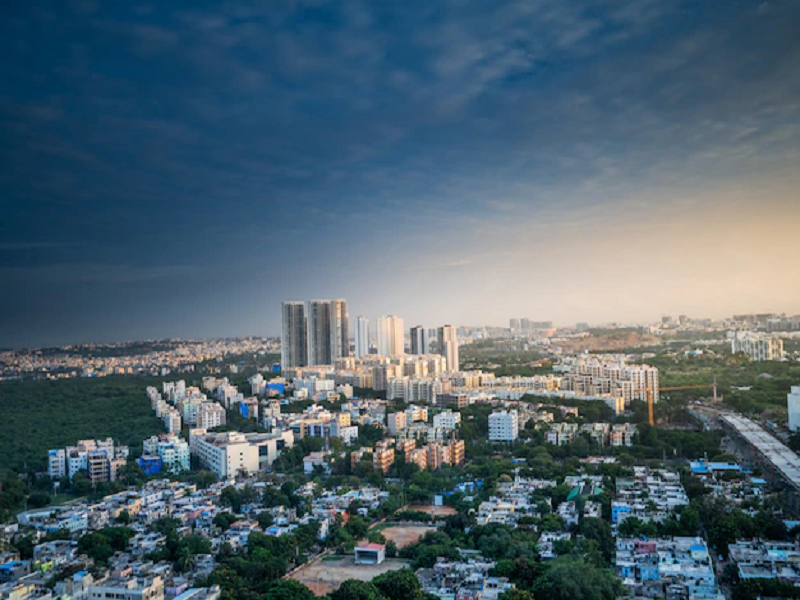
As Delhi-NCR, Gurgaon, and other cities expand, real estate developers eye Aravalli forest land as prime property. Despite environmental laws, construction projects continue through legal loopholes and corruption.
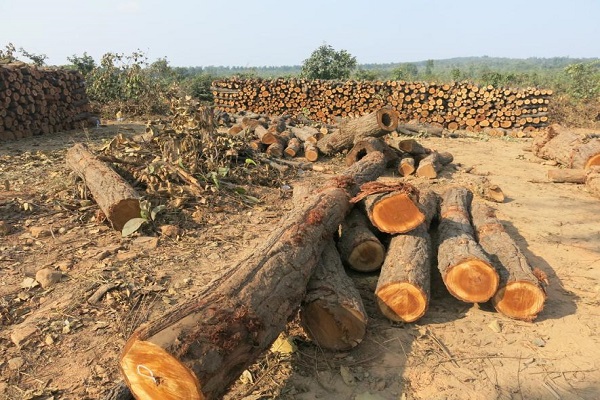
See how deforestation has transformed the Aravalli landscape
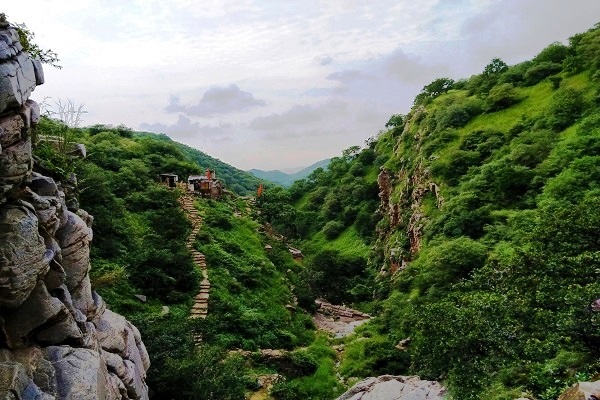

Industrial effluents, mining waste, and urban sewage contaminate streams and groundwater, affecting both wildlife and human communities.
Prosopis juliflora and other invasive plants spread rapidly, outcompeting native vegetation and reducing biodiversity in degraded areas.
Illegal hunting threatens leopards, deer, and other wildlife. Loss of prey species disrupts predator populations and ecosystem balance.
Changing rainfall patterns, increased temperatures, and extreme weather events stress ecosystems already weakened by human activities.
A chronological look at how the Aravalli Hills have been systematically degraded over decades
Large-scale industrial mining operations commence in Haryana and Rajasthan, extracting limestone, marble, and granite from the hills with minimal environmental oversight.
Rapid expansion of Gurgaon and Delhi-NCR begins encroaching on Aravalli forest land. First major luxury residential projects approved in ecologically sensitive areas.
Despite the Forest Conservation Act of 1980, over 10,000 hectares of Aravalli forest land is converted for non-forest use through legal loopholes and corruption.
Supreme Court bans mining in Delhi's Aravalli zone, but illegal operations continue. Over 1,000 unauthorized mines continue operating in Haryana and Rajasthan.
Satellite studies reveal nearly 30% of original Aravalli forest cover has been lost. Major wildlife corridors fragmented, leopard populations decline sharply.
Scientists link deteriorating air quality in Delhi-NCR to loss of Aravalli green cover. The hills that once filtered dust from Rajasthan are severely depleted.
Devastating new regulation proposes that only hills above 100 meters qualify as "Aravalli," potentially removing protection from 90% of the remaining range.
"The Aravallis are not just hills; they are Delhi's lungs, Rajasthan's shield against desertification, and home to thousands of species. Losing them would be an ecological catastrophe of unprecedented scale."— Environmental Scientist, Indian Institute of Science
Real examples of environmental destruction that has already occurred
Once a thriving forest ecosystem, this area has been reduced to barren craters. Despite court orders, illegal mining continued for years, destroying groundwater aquifers that served 5 villages.
The city's "green belt" has shrunk by 70% since 2000. High-rise apartments and malls now stand where dense forests once protected the city from dust storms and heat.
Massive deforestation has allowed the Thar Desert to advance into formerly green areas. Springs that sustained wildlife and villages for centuries have dried up completely.
Illegal construction and mining in Sariska's buffer zone has fragmented the wildlife corridor. Tigers that once roamed freely now face habitat isolation and human-wildlife conflict.
How destruction of the Aravallis affects millions of people
Over 30 million people depend on Aravalli groundwater. Mining and deforestation have caused water tables to drop by 40-60 feet in many areas, creating acute water shortages.
The Aravallis once acted as a natural air filter for Delhi-NCR. Their degradation has worsened air pollution levels, contributing to respiratory diseases affecting millions of residents.
Loss of forest cover has intensified heat waves and changed local rainfall patterns. Communities face more frequent droughts, floods, and extreme weather events.
Traditional communities who depended on the forest for grazing, minor forest produce, and medicinal plants have lost their livelihoods, forcing migration to urban areas.
Mining dust causes silicosis and respiratory diseases. Contaminated groundwater leads to high rates of waterborne diseases and heavy metal poisoning in nearby villages.
Cities like Gurgaon experience temperatures 4-6°C higher than surrounding areas due to lost forest cover, increasing energy consumption and heat-related illnesses.
The Aravallis provide ecosystem services worth an estimated ₹50,000 crore annually, including water recharge, air purification, climate regulation, and biodiversity conservation. Destroying them would cost far more than any short-term economic gains from mining or development.
Species facing extinction due to habitat destruction

Critically Threatened
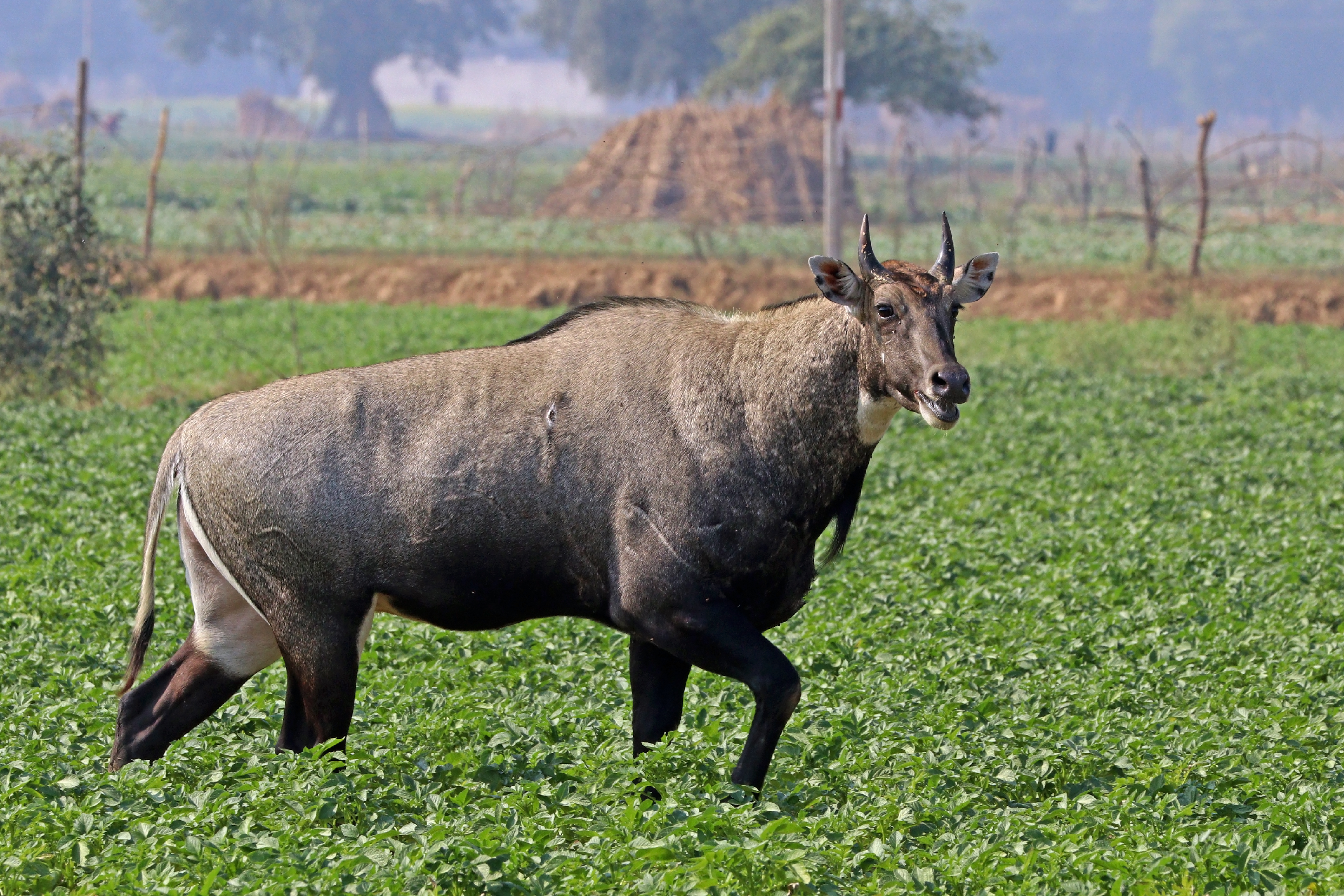
Habitat Shrinking

Population Declining
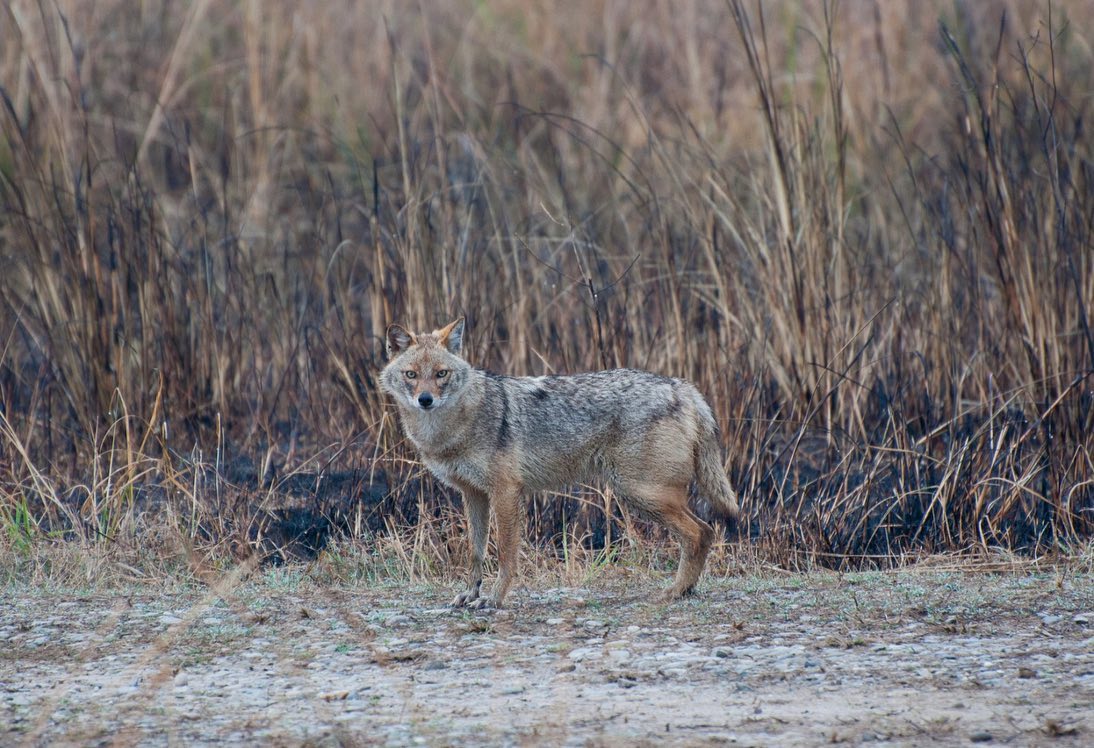
Corridor Fragmented
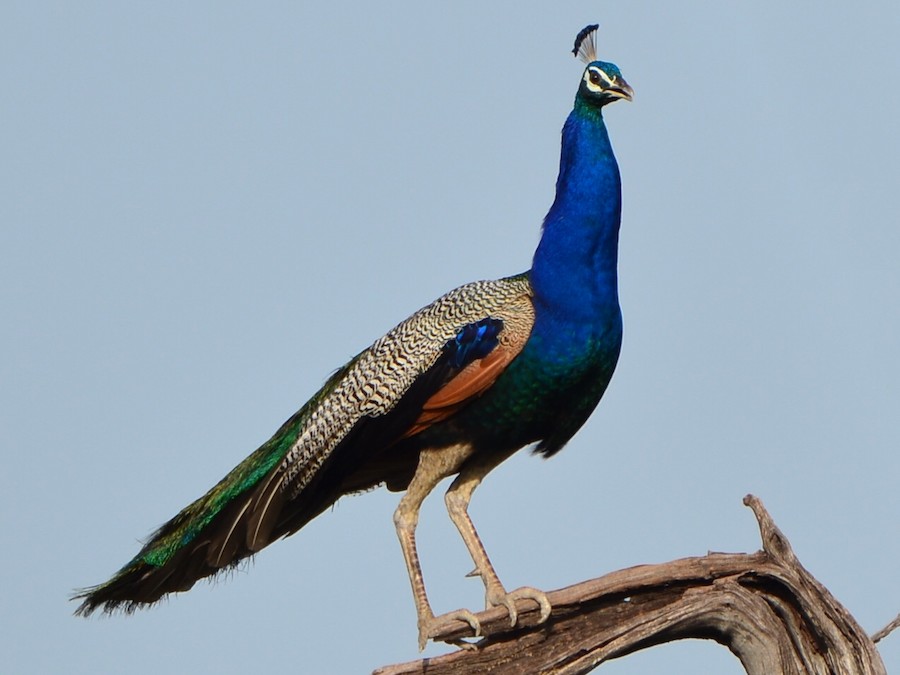
Nesting Sites Lost
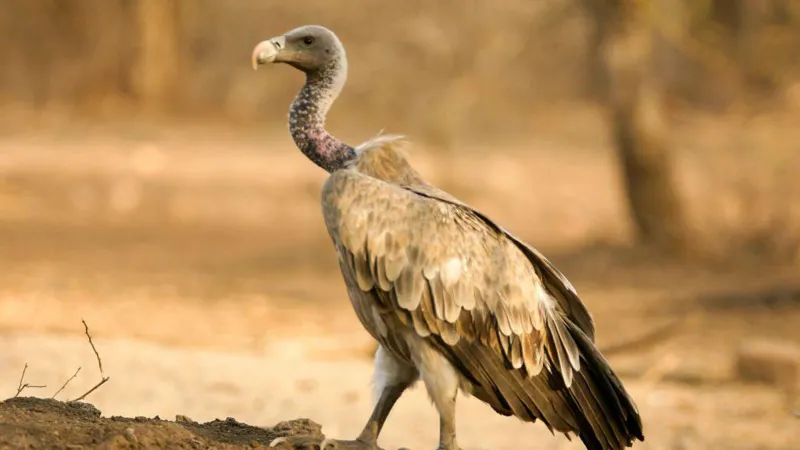
Critically Endangered
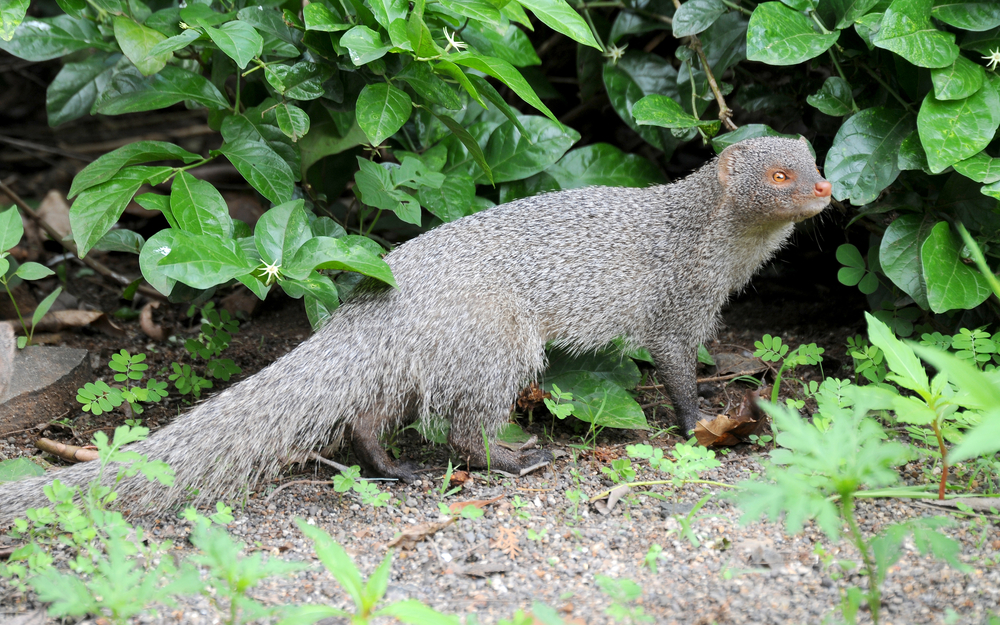
Habitat Fragmented

Ecosystem Role Vital
Understanding the regulatory framework and how the 100m rule undermines decades of protection
Central law prohibits diversion of forest land for non-forest purposes without central approval.
Aravallis classified as protected forest under Punjab Land Preservation Act extended to Haryana.
SC bans all mining activity in Delhi's Aravalli region, orders rehabilitation of mined areas.
New definition threatens to exclude 90% of hills under 100m height from legal protection.
The Aravallis are among the world's oldest fold mountains, heavily eroded over 650 million years. Their ecological value comes from their function as a continuous ridge system—not arbitrary height thresholds. Hills below 100m still provide crucial services: groundwater recharge, wildlife corridors, dust barriers, and microclimate regulation. Setting a height limit ignores the interconnected nature of the entire range and the geological reality that most Aravalli formations naturally lie below this threshold.
Different extraction activities causing destruction across the range
Large-scale extraction of granite, marble, and sandstone has created massive open-pit mines that permanently scar the landscape.
Illegal extraction from riverbeds and hillsides for construction has devastated water systems and accelerated erosion.
Cement industry demand drives extensive limestone extraction, releasing carbon and destroying unique karst formations.
Every day of inaction means more forest lost, more species extinct, more water sources destroyed. But you can help stop this destruction.
Take Action Now